

The Osara Journal
Nippon Kodo: 日本香堂Blooming at 500°C
In 1911, an incense master set out to capture the scent of Western perfume in a stick of incense. He called it Hana-no-Hana: the flower of flowers.
Read the story“Where flowers bloom in fragrant smoke.”
01香水香の誕生
A perfume made to burn


02伊東深水の桐箱
A painter's box


03三つの花の香り
Rose, Lily and Violet


04日々の香り
An everyday ritual


Our picks
Featured pieces
Hana-no-Hana – Rose, Lily or Violet / 花の花
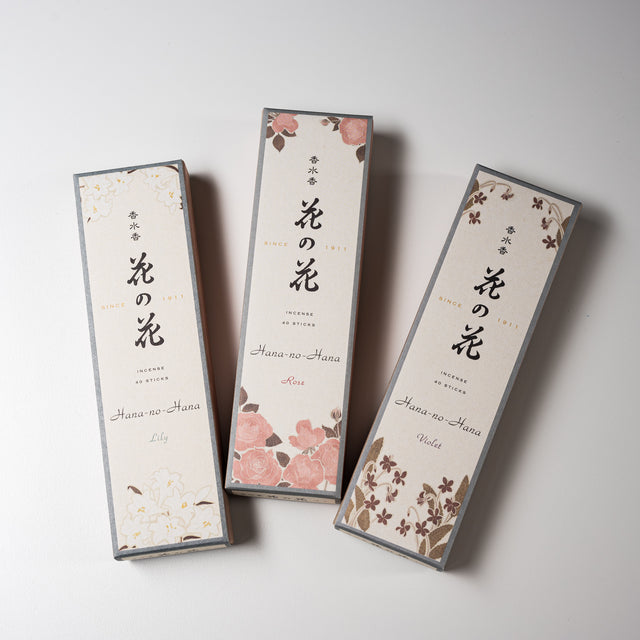
Choose your favourite flower: a single fragrance in its own beautifully illustrated box.
Hana-no-Hana – Three-Fragrance Sticks / 花の花
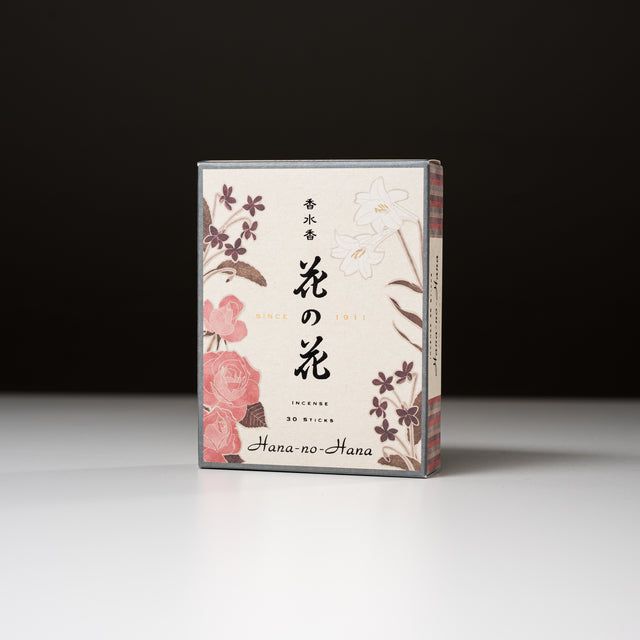
The classic way to begin: Rose, Lily and Violet together in one box.
Hana-no-Hana Premium / プレミアム花の花
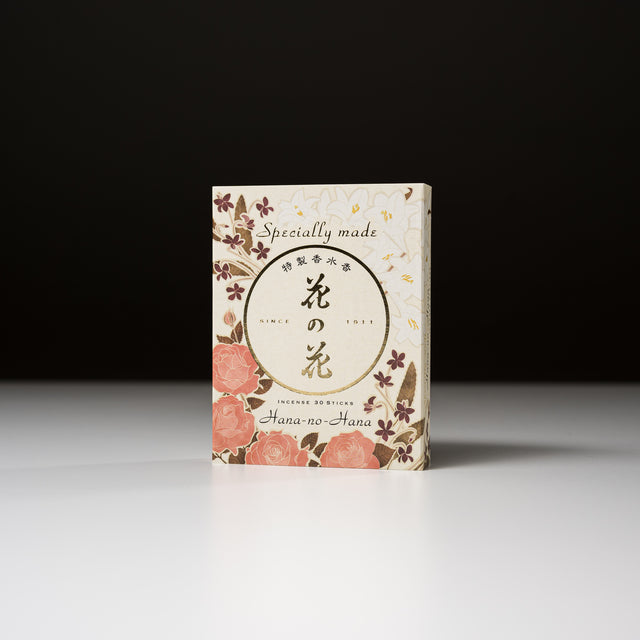
A richer, specially made blend with a sweetness that lingers after the stick has burned.
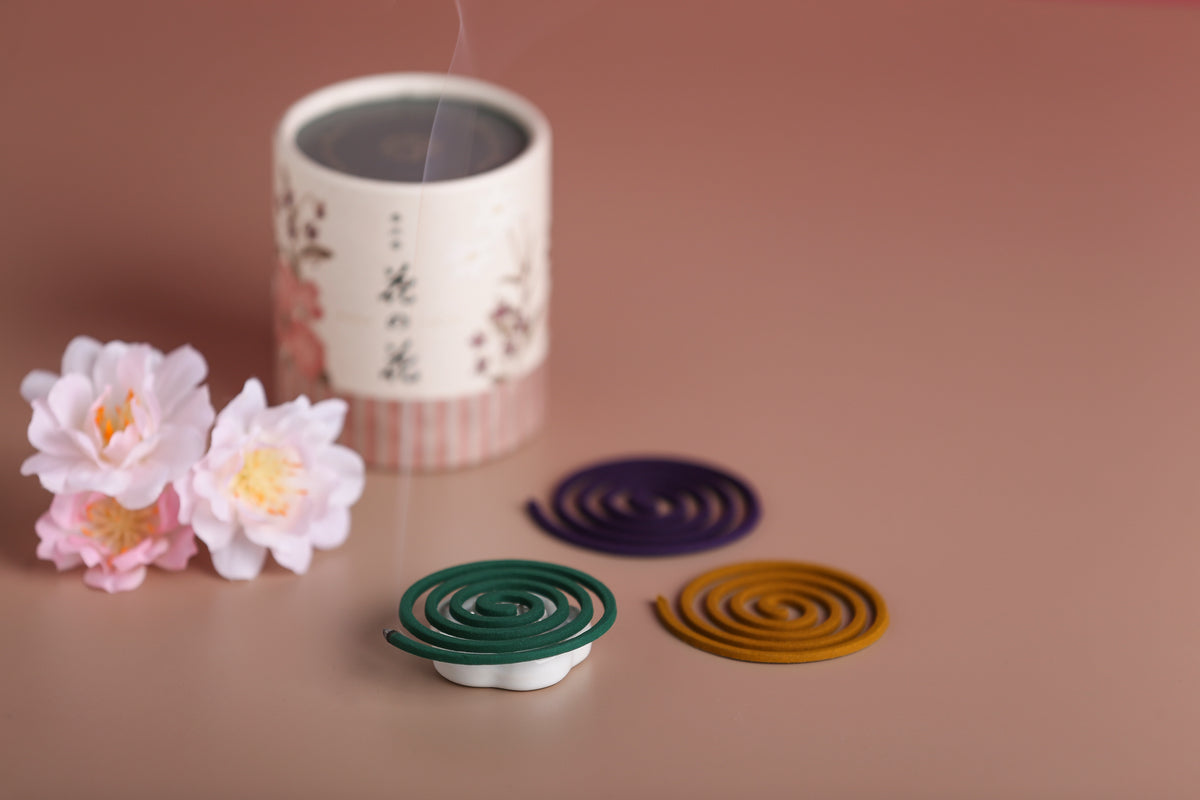
Hana-no-Hana Coils / 渦巻香

Slow-burning coils in all three fragrances, for longer moments of rest.
YUKARI Incense Holder / 香立て
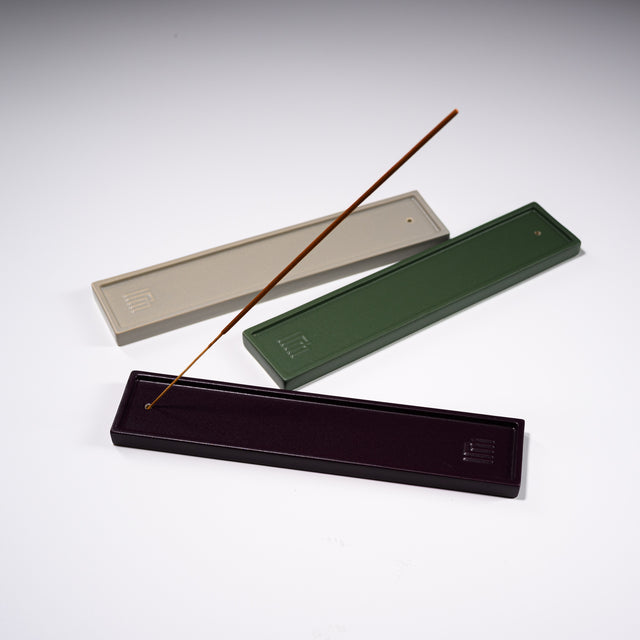
A simple ceramic tray by Nippon Kodo that catches the ash, in three soft colours.
About the maker
Nippon Kodo
Nippon Kodo (日本香堂) is one of Japan's best-known incense makers. It carries on the name of Koju (香十), an incense house said to have begun in Kyoto in 1575, when its first master served the Imperial court.
In the Meiji era, incense master Yujiro Kito (鬼頭勇治郎) brought new ideas into this old craft, creating Hana-no-Hana in 1911, often described as Japan's first perfume incense. Today Nippon Kodo carries both sides of that story forward, from precious sandalwood and agarwood to modern fragrances like Kayuragi and Chie, each made to bring a quiet moment into everyday life.
Meet the maker's collectionIn the Meiji era, incense master Yujiro Kito (鬼頭勇治郎) brought new ideas into this old craft, creating Hana-no-Hana in 1911, often described as Japan's first perfume incense. Today Nippon Kodo carries both sides of that story forward, from precious sandalwood and agarwood to modern fragrances like Kayuragi and Chie, each made to bring a quiet moment into everyday life.
Living with it
Use & care
From the story
View allOSARA recommends
Sold out


Nippon Kodo - Hana-no-hana Incense - 3 Options / 香水香 花の花
$38.00


Nippon Kodo - Hana-no-hana Incense / 香水香 花の花
$24.00


Nippon Kodo - Hana-no-hana Premium / Specially made Incense / プレミアム花の花
$42.00


Nippon Kodo - Hana-no-hana Coils Incense / 花の花 渦巻香
$42.00


YUKARI Incense Holder - 3 Colour Options / 日本香堂 香立て
$42.00


For Purchase - Nippon Kodo - Kayuragi Incense - 5 Options / かゆらぎ今昔香
$6.00


Nippon Kodo - Chie Incense - 9 Options / Chie ナチュラルインセンス
$28.00


Nippon Kodo - Oedo-koh - 6 Options / 日本香堂 大江戸香
$36.00


Nippon Kodo - Mainichi-koh - 3 Options / 毎日香
$32.00


Nippon Kodo - Sandalwood with Wooden Box / 毎日白檀香 桐箱
$38.00


Nippon Kodo - Scent of the Forest "Hinoki" / 森の香 ひのき
$58.00


Nippon Kodo - Aloeswood Taikan with Wooden Box / 伽羅大観 桐箱
$128.00
The Osara newsletter
Stories from Japan, in your inbox
Makers, new arrivals and the stories behind them.